• Branding
  • Marketing
  • Websites
  • Portfolio
  • Words
  • Let’s Talk
  • Menu Menu

Enough about the big game. Let’s talk about YOUR business!

February 3, 2020

If you spent last night on the edge of your seat in anticipation of the next commercial break, we can relate. Sure, the big game was one for the books—but for us, it’s all about the ads. Hollywood-grade budgets, celebrity cameos, immersive dialogue, fully-licensed pop music, and focus group-approved comedic timing all added up to an epic viewing experience for us and a major win for the sponsors! Here we are now, 219 days away from the next pro football game, wondering what’s next. At ACS Creative, we feel it’s time for local businesses to take the stage!

National advertisements like those seen during the big game are just one approach that a company can take. But, is it necessary for you? Figuring out the best local marketing tactics and strategy for your business can be a complicated business in itself. What matters to your company and the targeted audience you want to reach? How do you want to accomplish this from a marketing standpoint and still stay within your budget? ACS Creative can help answer these questions with you.

In 2018, we posted a helpful list of local marketing ideas, but a lot has changed since then. Some of the items have stayed the same, and some new trends have emerged. As awesome as marketing may be, it’s often easy for local businesses to feel left out of the excitement. We’ve put together a list of proven local marketing tactics for all the mom and pop, brick and mortar, Main Street proprietors out there.

Even if you’re only trying to capture the attention of your neighborhood, community, or city, there is still plenty of opportunity to grow online. Over the next few weeks, we are going to take a look at some local marketing ideas that will accelerate your business in 2020, and take your brand into the end zone.

Look for our first blog on local marketing tactics, Search Engine Optimization, coming next week.

0 0 ACS Admin https://acsredux.acscreativedev.com/wp-content/uploads/2022/01/acs-logo-spot.svg ACS Admin2020-02-03 11:35:462020-02-03 11:35:46Enough about the big game. Let’s talk about YOUR business!

Marketing Personalization (Really) Works

March 20, 2019

Regardless of what business you’re in, or how long you’ve been doing it, the greatest marketing challenge is as old as time: reaching your audience. As self-serve advertising becomes more commonplace, competitive saturation is increasingly problematic. Your customers are inundated with ads, offers, and promotional messaging everywhere they turn—and it’s easy to get lost in the noise. Today, we’re going to discuss the concept of audience engagement in a very literal sense. This isn’t another article about where to advertise, but instead, how to advertise your business. The idea of Marketing Personalization applies to virtually all outbound platforms from email to PPC.

What is Marketing Personalization?

It’s no coincidence that this once ambiguous buzzword has recently become more prevalent than ever—because now it’s more possible than ever. Marketing Personalization is rising in popularity simply because businesses of all sizes are realizing the value of collecting information about their customers. The more data you have about someone, the more personalized your advertising can be. Let’s illustrate this concept with an example:

You sell baby clothes online from your Shopify store. In December, Mary Smith purchased a pink floral dress in a 3-month size. From the order receipt alone, you now know this person’s name, location, date of purchase, what they purchased, and email their address. You can also safely surmise there is a 3-month old girl in her life who she is happy to buy clothes for. Now, you could add the buyer to your monthly newsletter and you may get another sale in the future from them. However, delivering personalized content that pertains to them, specifically, sounds a lot more effective (and it is). At the very least, you should now address Mary by name in all email marketing. It’s a nice touch that goes a long way. Take it one step further and highlight products relevant to that baby girl. In January, Mary is likely going to be in need of a coat for a 4-month old and, in February, a onesie for a 5-month old. Don’t forget, you know the city this item was shipped to. You can easily factor in weather and seasonality as well. The more personalized the campaign, the more conversions one can expect.

This is, of course, just one isolated scenario but Marketing Personalization can be employed for almost any business, online or offline, in any industry.

Beyond the Inbox

There is no doubt that personalization is most easily achievable via email marketing. The idea, however, can (and should) be applied to any form of customer engagement. Surely, you’ve seen banner ads for the exact outdoor sofa you were browsing last week on Wayfair or Amazon. Retargeting is Marketing Personalization at work. Instead of a generic graphic featuring kitchen blenders, towels, and coat racks, you are seeing relevant products—which you are far more likely to buy.

This concept also works with direct mail campaigns. Again, using the information known about your customers, you can custom-tailor the messaging to them. For example, if you operate a handyman service, you might send carpentry and fixture replacement postcards to homeowners, but not apartment renters. This not only saves you money, but increases your conversion rate.

Renowned media theorist, Marshall McLuhan, famously said, “the medium is the message.” If you are placing an ad in Golf Digest and Better Homes & Gardens, your messaging should be unique and relevant to that particular publication. You may not have specific data on the readers, but you do know their interests and can speak their language. Personalization is your path to profit, no matter where you advertise.

Personalization Meets Automation

Whether you collect customer information at point-of-sale, via surveys, or telepathy, it’s not always easy to know what to do with it. We recently helped a client with over 20 years of customer activity stored in their CRM strategize and implement a personalized marketing plan. Some pieces of this process, especially in the beginning, are inevitably manual. This includes merging all of your subscriber and customer data into a streamlined, unified format. Luckily, there are several email platforms like MailChimp that make segmenting and targeting within your lists a breeze. You can setup specific messages triggered by certain activities, behaviors, or user attributes. Aside from email, major Pay-Per-Click networks like Google, Bing, and Facebook offer the ability to retarget your site’s visitors with pertinent products, categories, and offerings. Once established, these systems run effortlessly in the background and work for your business around the clock.

The best way to stand out in a sea of promotional noise is relevance. Buying roller skates doesn’t mean I want to hear about your sale on scuba gear, but I certainly might be interested in elbow pads. Take the time to tailor your marketing efforts to people and you will surely be rewarded with growth.

0 0 ACS Admin https://acsredux.acscreativedev.com/wp-content/uploads/2022/01/acs-logo-spot.svg ACS Admin2019-03-20 11:55:482019-03-20 11:55:48Marketing Personalization (Really) Works

How Digital Marketing Helps Businesses

March 26, 2018

Last week, we wrote about what you should do after you launch a new website. This week, we explain how digital marketing can help your business thrive!

Find New Customers

Whether you’re a new company or you have been in business for decades, you always need to bring in new customers. That’s where digital marketing comes in.

Search Engine Marketing (SEM) is one of the most effective ways to find interested clients. This form of advertising puts your brand in front of potential customers just as they are researching companies like yours.

With pay-per-click ads, your company appears at the top of Google results for targeted keywords. Consumers rely on search engines to help them make purchase decisions, and that is part of what makes SEM so effective.

If you’re an eCommerce company, digital marketing encourages direct purchases on your website. Those ads that follow you around the internet after you shop for tools, ties, or tires? All of them happen because companies invest in digital marketing.

Build Relationships

While you’re reaching new customers with pay-per-click ads, you also should connect with existing contacts through email marketing.

Emails may seem outdated by digital marketing standards, with bots and blockchain on the horizon. But emails are still one of the best tools to help you build one-on-one relationships with consumers.

For instance, maybe you sell cupcakes online. You could send out an email with photos and links to videos about your baking. You could find out your customer’s birthday and send a personalized coupon for free delivery on that date. As your customers get to know you, they will look forward to your messages. With careful segmentation and strategy, your emails will set your brand apart from competing cupcake shops.

Sticking to a regular email schedule gives customers the opportunity to get to know you, like you, and trust you. Ultimately, once they trust you, they will buy from you again and again.

Get to Know Your Audience

As customers get to know you through emails, you can also get to know them through your digital marketing programs.

Pixels, cookies, and analytics tools help you learn more about your customers. You can find out answers to questions you didn’t know you could ask. Who opened your emails? Who clicked on your Facebook ads? Who filled out your contact form? You can learn — down to the person — who is interested in your business.

Then, your sales team can contact the most engaged prospects. That person who opened your email 25 times? It’s probably worth it to give them a call. That former client who liked your Instagram page? It may be time to send them an email.

Your digital marketing channels should all work together to help your company grow. It’s all about reminding interested customers why your brand benefits them. If you invest in different digital strategies at the same time, your integrated campaigns will make an impact. You’ll see more leads, clients, customers and revenue.

0 0 ACS Admin https://acsredux.acscreativedev.com/wp-content/uploads/2022/01/acs-logo-spot.svg ACS Admin2018-03-26 11:15:532018-03-26 11:15:53How Digital Marketing Helps Businesses

3 Reasons Why Quality Trumps Quantity in Digital Content

March 9, 2018

“Quality over quantity” is a cliche. But it’s a cliche for a reason. When it comes to your website and digital marketing, it’s important to craft thoughtful content (quality), and not churn out a lot of content at a faster pace (quantity).

A quality over quantity approach to digital content makes sense, and it’s an easy enough idea to buy into on paper: Spend more time on writing great articles, and you will get better results.

In practice though, that type of dedication isn’t easy. You need a strong team by your side to motivate you and follow through with ideas.

Still, quality content is worthwhile in the long run. Whether you’re building a website from scratch or growing your current site, your business benefits from well-researched and well-written copy. In this blog post, we’ll go over a few reasons why longform web posts matter for your website and your bottom line.

1. Stand out from Competitors

Longform content is rare because it takes more time and effort to publish. Quantity usually wins in a digital environment, as brands race to publish as much information and capture as much attention as possible.

Take a look at your competitors, for example. How long are their blog posts? How detailed are their FAQ pages? As marketing entrepreneur Neil Patel explains in his research, most blog posts are short, so longer posts give you a competitive edge.

Detailed articles also show who you are as a company. They give you the opportunity to present your brand as thoughtful, knowledgeable and helpful.

2. Make Search Engines Want You

Search engine optimization (SEO) is a tricky concept that’s even trickier to execute well. Every company wants their website to appear at the top of search engine results pages. One way to earn your spot is to write longform content on your website.

Google especially favors longer articles. In this way, quality posts lead to better SEO, which then brings more traffic to your website. If your website is well-designed (and please contact us if it’s not), more traffic will then lead to more conversions, and more revenue for your business. It’s a beautiful circle that all starts with prioritizing quality over quantity in your digital content.

3. Satisfy Your Customers’ Cravings

As helpful as SEO can be, not everything is about Google. It’s about your customers.

People want good information from reliable sources. With the constant firehose of messages on social media, it’s useful to provide in-depth content that makes life easier for your readers.

CEO of Rep Cap Media Mary Ellen Slayter spoke with the Content Marketing Institute about the benefits of longer content for growing your business. “For B2B customers, it’s not just, ‘I came to your site, I clicked, and now I’m going to buy real quick,” she said. “The decisions they make require thought and money, and the customers need to know who they’re dealing with.”

In other words, quality content helps build trust with your website visitors. By making your website a consistent source of valuable information, you encourage potential customers to come back time and time again.

“Quality over quantity” is an important lesson in web design and marketing. We relearn this lesson every day as we work with our clients. If you have questions about improving your digital content, please get in touch with us any time!

0 0 ACS Admin https://acsredux.acscreativedev.com/wp-content/uploads/2022/01/acs-logo-spot.svg ACS Admin2018-03-09 09:05:272018-03-09 09:05:273 Reasons Why Quality Trumps Quantity in Digital Content

10 Local Marketing Ideas for 2020

February 21, 2018

*Editors Note: We’ve recently updated this blog post for 2020. Read further about updated tech and best local marketing strategies by following the links below:

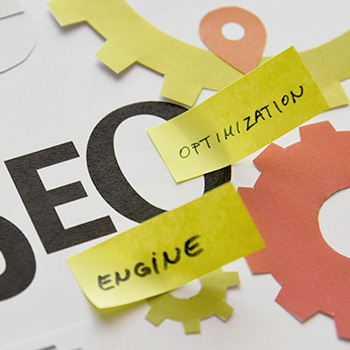
  1. Local Marketing 2020 Series: Search Engine Optimization and Local SEO
  2. Local Marketing 2020 Series: Social Media, Reviews and SEM
  3. Local Marketing 2020 Series: Email Marketing
  4. Local Marketing 2020 Series: Print Advertising

The digital revolution has drastically changed the landscape of commerce by exposing even the smallest businesses to a global audience. With relatively minimal effort and investment, virtually any company can sell products and services online to anyone, anywhere, anytime. However, world domination isn’t necessarily everyone’s primary agenda. As awesome as internet marketing may be, it’s often easy for local businesses to feel left out of the excitement. Today, we’ve put together a list of proven local marketing ideas & tactics for all the mom and pop, brick and mortar, main street proprietors out there.

Even if you’re only trying to capture the attention of your neighborhood, community, or city, there is still plenty of opportunity to grow online.

Local Marketing: Customer Reviews

1. Customer Reviews

We are living in a feedback culture. From a consumer standpoint, this is a good thing. Poor service, unfulfilled promises, and sub-par products are brought to the public eye. Companies that take pride in their customer experience, and have the ratings to back it up, are rewarded with more clicks, more calls, more business (and more praise).

Whether someone is searching for a French restaurant or baby boutique, consumer decisions are being made online. A satisfied customer that walks out your door is a wasted opportunity. Encourage patrons to leave a review for your business on Google, Facebook, or Yelp. Don’t be pushy–but don’t be shy either. Instead, subtly suggest the notion while conveying your appreciation. This request can be delivered via point-of-sale signage, receipt verbiage, post-sale email, or by asking the good old-fashioned way.

Of course, not every person will follow through, but you will surely see an uptick in social proof over time. Remember, a happy customer is happy to help!

local marketing: SEO

2. Search Engine Optimization

This isn’t the time nor place for a crash course in SEO. However, this post is the perfect forum to discuss the astounding potential of organic local traffic! The truth is, the small business world is a bit behind on the digital revolution. You still see a good portion of coffee shops and dry cleaners with non-responsive websites, no social media presence, and the list of offenses goes on. Use this to your advantage! You can make a big impact for your business online with relatively low effort and basic search engine optimization practices.

Start with a blog and maybe consider some keyword-rich landing pages as well. Make sure your site adapts to all devices, includes enticing META descriptions, has proper title & heading formats, and plenty of unique, valuable content.

local marketing: social media

3. Social Media

You may not think a carpet cleaning service needs a Facebook page. Who would follow it and why? Now is the time to cast aside your notions of social media and embrace its local power. First of all, search engines tend to (unofficially) appreciate businesses that are active on Facebook, Twitter, Pinterest, LinkedIn, and Instagram. It never hurts to appease the Google Gods. Secondly, potential customers who are researching your products or services online are likely to stumble upon your social accounts. When they do, are they going to see one lonely post from two Labor Days ago? Or would you rather a vibrant, active feed of fresh content, testimonials, photos, videos, and more?

Once you do start to collect some local followers, social media is a great way to promote offers, specials, announcements, and events! These networks are also great customer service platforms, offering several alternative forms of interaction between you and the local community. Sites like Facebook will continue to change and evolve their algorithm but one truth will always remain: your social media efforts will not go to waste. Get started today. Your audience is waiting!

local marketing - events

4. Events

Even in our screen-obsessed society, people still love going out and experiencing things. Granted, it’s usually just so they can post photos of themselves experiencing things, but that’s a conversation for another day. Getting locals through your door to purchase goods and services is ideal, but sometimes needs to be approached in a roundabout way. Consider hosting events, parties, clubs, ceremonies, or meetups at your place of business.

There is major marketing power in events from online promotion to on-site awareness. Amazingly, the nature of the event doesn’t necessarily need to align with your store. In fact, it will help expose your offerings to a whole new group of potential customers. Who says you can’t have a cat enthusiast meeting at a brewery?

Aside from hosting your own, look out for sponsorship opportunities with larger events in your city. Yes, this can be expensive, but there is often great value in aligning your business with a popular entity such as a race or festival. Sponsorships are an effective way to indirectly reach new people while instilling brand recognition (and repetition) in existing customers. The privilege to piggyback on their big-budget event marketing efforts will surely bring some business your way.

local marketing - email advertising

5. Email Marketing

In our humble opinion, email marketing is absolutely one of the most effective means of increasing revenue and facilitating growth for virtually all companies of any size in any industry. Yet, small businesses tend to fall short with this opportunity. We’ve all seen the television commercials of the landscaper or interior designer sending their promotional email and bracing for a flood of customer activity. That can (and should) be you!

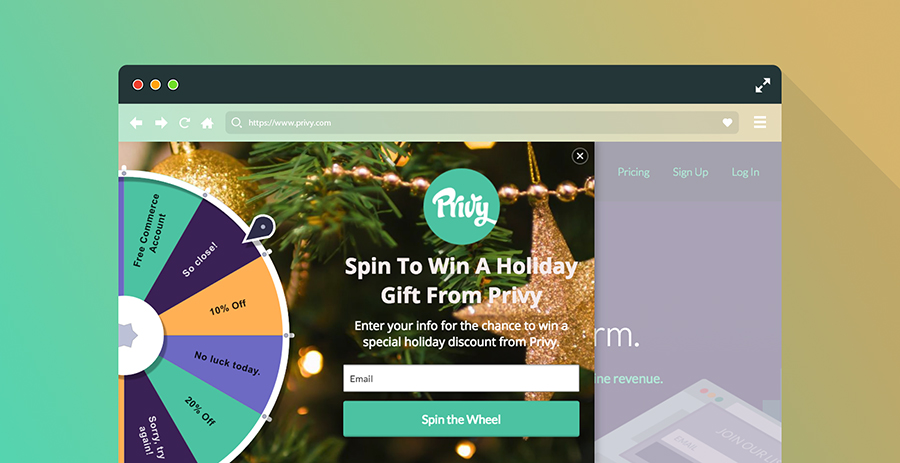
To run a successful email marketing program, you must look at it in two parts: Collection and Execution. A beautifully-crafted HTML message that is only seen by you and your aunt might as well be a tree falling in the forest. Building your database of subscribers needs to be an ongoing priority. The larger the list, the bigger the result. Always encourage customers to sign up in-store and visitors to join online. Offer incentives for subscribing such as exclusive offers, special event invites, discounts, etc.

Don’t send emails too often or your open rate and unsubscribe rate will suffer. Try to keep your lists segmented by what product or service the individual purchased to ensure future emails are relevant to them. Utilize an email marketing platform such as MailChimp, Constant Contact, or MadMimi for storing your database, sending campaigns, and monitoring results. Be sure to watch your analytics to gain perspective on which emails performed best and what your customers are most interested in.

local ppc marketing

6. Paid Local Marketing

It almost seems like cheating to advise you to spend money on pay-per-click advertising in a local marketing blog post. The concept may not seem very creative or cost prohibitive–but if done correctly, it certainly can be.

Most of the major PPC platforms such as Google AdWords, Facebook Ads, and Bing Ads allow you to concentrate your campaign on hyper local regions. This means your marketing dollars won’t go to waste on curious clicks from other states (or countries). Additionally, the ability to display ads to individuals with highly specific interests and demographics further increases your chances of making every click count.

Since most search and social ad platforms price clicks and impressions on a bidding system, you will be less likely to compete with big businesses’ national campaigns, thus saving even more money. The best part–no budget is too small. Spend a few bucks a day to put yourself where your customers are looking!

local print advertising

7. In the News

For local businesses, becoming a household name in your community is an ideal scenario. This, of course, isn’t an easy task. It takes time and patience and a bit of luck. However, embracing the power of the press can help you stay relevant and on the minds of your customers. Reporters are always looking for a good fluff story, especially on slow news days. Make it a habit to let local papers, TV stations, blogs, and publications know about your promotions, events, milestones, anniversaries, and accomplishments. Throttle your expectations, of course, as your story won’t always get picked up–but when it does, it’s free publicity. Remember, the only thing better than telling people about your business is someone else telling people about your business!

8. Selective Print Advertising

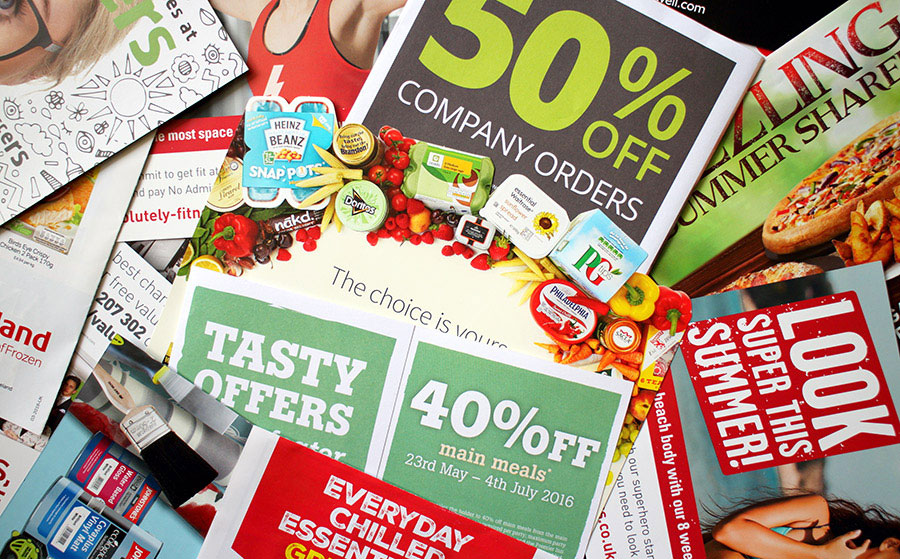
Old habits die hard. Many established small businesses have placed ads in hometown newspapers, swap sheets, or pennysavers for years. They often continue to do so simply because they always have. However, in the current landscape of local marketing, it’s not the best use of your limited budget. First of all, it is extremely difficult to know how many people saw your ad, were interested in your business, or purchased from you because of the ad. Secondly, why pay for people to see your ad if they don’t care about it? With online advertising, you essentially only pay for potential customers.

Do yourself a favor and conduct an audit of where you’ve spent your marketing dollars in the past and ways you might better use those funds in 2018. Of course, there are always exceptions–print isn’t entirely dead after all. If you’re going to advertise on tv, radio, or in the paper, at least measure the results so you can track your return on investment.

9. Embrace Directories

Many business owners allow their preconceived notions about sites like Yelp, TripAdvisor, and Foursquare prevent them from taking advantage of what they have to offer. Whether it’s a few nasty reviews, unflattering photos, unsolicited feedback, or just a general lack of understanding, your reasons for complacity are not worth the negative impact. We get it, you’re frustrated. You never signed up for this. You magically appeared in their directory one day and now this app can make or break your business. It’s time to adjust your perspective.

These aggregate sites can also be your best friend–if you embrace their local marketing power. Play the game. Claim your listing, update your details, correct your categories, upload some images, double-check your hours and address. If they ask you to pay for a premium service, do it. Your customers are going to these 3rd-party services before (or in lieu of) your own website. Take advantage of what little control you are given and ensure the best representation of your business. Platforms such as Yext and Moz Local provide an efficient means to managing the growing number of directories people use to discover products and service in your city.

10. Cross Promotion

A tried and true method for expanding your reach is to share customers with another local business. Simply forge a relationship with a nearby company that doesn’t compete with yours but instead compliments it. For instance, a steakhouse teaming-up with a theater for a “Dinner and a Movie” promotion or a coffee shop offering a 10% discount to employees of a neighboring business. Get creative and find ways to raise all boats in your area by partnering with those trying to do the same!

As a small business, budget matters and time is your greatest commodity. You don’t have enough of either to spare, so why take chances? Use the proven tips included in this blog post to devise a sensible, yet effective, local marketing strategy for the rest of this year. Be sure to measure your results along the way as you watch your business grow in 2018!

0 0 ACS Admin https://acsredux.acscreativedev.com/wp-content/uploads/2022/01/acs-logo-spot.svg ACS Admin2018-02-21 09:05:352018-02-21 09:05:3510 Local Marketing Ideas for 2020

What’s New in Content Marketing?

January 30, 2018

You may have heard the expression, “Content is king.” (Or queen.) At ACS, we believe that’s absolutely true. Great websites, great marketing, and great results all begin with great content.

Content can help your business grow, when you use it the right way. Welcome to the world of “content marketing.” In this post, we’re going to tell you all about what content marketing is and what to expect from companies on the cutting-edge content marketing this year.

What is Content Marketing?

Your customers expect a lot from you. Sure, they expect exceptional service and great products. But they also expect you to show off your expertise. They need to know that you’re the absolute best company for their project. That you have the skills and experience to deliver what they need, on time and on budget.

Content marketing is one way to prove yourself to skeptical customers.

This type of marketing takes many forms. Emails, white papers, e-books, blogs, podcasts, social media posts, infographics — you name it. It’s all about giving your customers something valuable, usually in exchange for something from them. The content itself is valuable to the customer, and the customer’s contact information is what’s valuable to you.

Of course, it’s really about more than collecting email addresses. In the long run, content marketing helps you build trust with customers. It shows them that you know what you’re talking about. You’re a leader in your field, and customers should trust you to do great work for them.

2018 Content Marketing Trends

Content marketing isn’t a new idea. It’s been around for a while, and some brands are taking big swings to make their content stand out. In 2018, we expect to see more content across more channels, including branded podcasts and live videos. Here are just a few content marketing trends to look out for this year.

1. Voice Search

According to the Content Marketing Institute, we’re in the middle of a “verbal revolution” when it comes to digital marketing. What does this mean? And why should you care?

Basically, more people are relying on devices like Amazon’s Alexa and Google Home to search the internet. You can say something like, “find pizza near me.” And the ever-helpful Siri will give you her best guess.

This huge jump in voice search affects SEO, or search engine optimization. (SEO refers to strategies that help your website show up in on the first pages of Google results organically, rather than paying for ad space.)

Marketers will spend 2018 figuring out how to align their content with voice search results. For instance, people talk differently than they type. So, you may want to orient your content around a full question (voice search) rather than a single keyword (traditional search).

2. Branded Podcasts

Beyond audio assistants, some content marketers are getting into the world of podcasts. Unlike broadcast radio, podcasts pop up on smartphones and desktops. These audio stories and shows have a growing community of avid listeners.

One major player in this new space is Gimlet Creative, the advertising division of the podcast production company Gimlet Media. Now owned in part by WPP, Gimlet Creative helps brands like Microsoft, Gatorade and Spotify create long-form podcast content.

3. Live Videos

Engaging video content is more important than ever for marketers. According to marketing consultant Neil Patel, live video presents an especially important opportunity in 2018. Patel writes that although most marketers have tried video in general, only a small percent have ever dabbled in live video. With the growing popularity of Facebook Live, brands can try their hands at short-form, real-time videos to engage with their fans.

How do you get started?

Maybe you’re not ready to be the next branded podcast sensation, and that’s completely okay. You don’t have to have a huge budget to start content marketing. You just need a plan.

Step back and consider the best content marketing strategies for you. What do your customers want to know? What does success look like for you? How will you measure your ROI? ACS Creative can help you find answers and work with you to get your content marketing campaigns off the ground.

0 0 ACS Admin https://acsredux.acscreativedev.com/wp-content/uploads/2022/01/acs-logo-spot.svg ACS Admin2018-01-30 14:25:572018-01-30 14:25:57What’s New in Content Marketing?

Why Advertise on Facebook?

January 16, 2018

In the old days, advertising was for big companies with deep pockets. It meant buying pricey TV ads, billboards, or magazine spreads. You never really knew who the ads reached or how well they worked. Of course, we know those days are over.

Digital advertising opens up doors for companies of all sizes and budgets. It lets you have one-on-one conversations with customers. Rather than taking an old school “spray and pray” approach to advertising, consider trying Facebook ads.

Super Specific Targeting

Facebook knows a scary amount of information about all of its followers. The platform stores basic details like age and location, but it also catalogues hobbies and interests. This means advertisers can get as granular as they want. You could reach moms who live within 50 miles, like sports radio and drive used cars, if they are your ideal customers.

Maybe you don’t want to get that specific. Or maybe you have great followers on your Facebook page already. In either case, “Lookalike Audiences” offer a type of targeting you can really only get on Facebook.

Lookalike campaigns connect you with people who are similar to your followers, based on their interests, age, occupation and many more data points. These audiences are more likely to want your product or service, because their friends already do.

Flexible Spending & Detailed Reporting

If you’re hesitant to leap into Facebook ads, you’re not alone. It’s a powerful tool that reaches millions of people every second of every day. The good news is that you don’t need much time or money to dip your toes in the water, before you’re ready to dive in head-first.

Unlike other ad buys, there’s not a high barrier of entry. You could spend as little as $1 on a Facebook ad, just to see how it works. You’re not locked into any set dollar amount or timeline. There is a lot of flexibility, so you can adjust your spending any time.

Of course, you shouldn’t start seriously spending on Facebook without first having a solid strategy. Make sure you have a plan to follow up with new customers at every stage of the marketing funnel.

For instance, it’s of no use to collect someone’s email address via Facebook ads, if you’re not going to contact them later. You have to treat Facebook ads as a valuable part of your marketing and sales cycle, nurturing your leads along the way.

Luckily, Facebook gives you in-depth analytics to help you strengthen your strategies. Facebook ads are easy to test and track. You can run A/B tests to see which ad creative or audiences work best. Then, you can see detailed reporting on how Facebook ads are helping you engage customers.

You can also stay in front of your website visitors, thanks to the Facebook Pixel. This code allows you to show ads to Facebook users who have already visited your site. They have already shown an interest in your company, and now you can stay top-of-mind as they make their purchase decision.

It’s a Pay-to-Play Platform

Beyond Facebook’s targeting and testing capabilities, one major reason to pay for ads is that there’s not really another way to reach your Facebook followers. Posting unpaid, a.k.a. organic, content on Facebook does not get you very far.

Facebook knows its News Feed space is valuable. So valuable, in fact, that the social media giant wants you to pay to show up in front of your own followers. What was once a Wild West of organic engagement is now a pay-to-play medium (for the most part).

Every time you post, only a small percent of your followers will see your content. Some suggest that organic reach is as low as 2 percent. Facebook’s algorithm has downgraded content from companies so much that you have to spend a little to make any waves on the platform.

Facebook is also experimenting with a new “Explore Feed” for branded content. It keeps posts from friends and family in the primary News Feed but segments company posts into a secondary section. Once “Explore” becomes a standard feature, brands will have almost no organic reach on Facebook at all. All the more reason to set aside budget for ads, if you want to stay in front of your followers.

It’s a whole new world of possibilities, when it comes to digital advertising. Facebook ads offer a low-cost, flexible and highly targeted way to connect with your customers. If you want to learn more about Facebook ads, or other online advertising options, we’re always happy to help.

0 0 ACS Admin https://acsredux.acscreativedev.com/wp-content/uploads/2022/01/acs-logo-spot.svg ACS Admin2018-01-16 09:05:532018-01-16 09:05:53Why Advertise on Facebook?

7 Easy Ways to Build Your Email List

December 19, 2017

Sometimes checking your inbox can feel like flipping through the yellow pages. The perfume site you purchased your aunt’s birthday present from four years ago is trying to sell you their latest floral fragrance. A random stranger is claiming he can boost your Google ranking for just $299.95. Let’s not forget the dry ice steak company starting their Father’s Day campaign… in February. Meanwhile, it’s Monday morning at 8am and all you can think about is the insurmountable workload ahead of you this week. Whatever your personal relationship with email marketing, one truth remains in the universe—it works.

When visitors, followers, and customers opt to hear from your business, those email addresses are pure gold. This is a captive audience of people who have either proven they will spend money with your company or may do so in the future. However, as you know from your own sentiments on promotional mail, not everybody opens, clicks, or buys. For this reason, the power of email marketing is in the numbers. Growing your list is critical to success.

Here, we’ve compiled a handful of effective strategies in building an email list, which are applicable to nearly any industry or business type.

1. Subscription Form

Prominently place an email subscription form on each page of your website. A dedicated row above your footer is prime real estate. When executed properly, a pop-up modal can also be an effective capture tool.

2. The Giveaway

Offer users a free e-book, white paper, coupon, exclusive content, or similar incentive for subscribing. Be sure to note that the freebie is automatically sent via email to minimize invalid entries. The more valuable the giveaway, the more subscribers you’ll get.

3. On-Site Signups

Do you have a brick and mortar business? Give customers the opportunity to provide their email address whether they purchase something or not. Again, consider incentives you can offer!

4. Host an Event

Whether it is a local gathering or a global webinar, asking your target audience to register for an event is a worthwhile means of growing your email list quickly. If this proves effective for you, consider hosting recurring events annually, quarterly, or even weekly!

5. Educational Series

Create a drip campaign that sends a series of informative emails on a particular topic to each subscriber over a short period of time. This isn’t necessarily an opportunity to sell, but to provide real value. Your audience will look forward to checking their inbox every day, and you will enjoy watching your list grow exponentially.

6. Get Social

Most of the major email marketing platforms (Campaign Monitor, MailChimp, etc.) offer the ability to place a signup form on your Facebook page. This is a great way to get your social media followers to take a step forward with your business.

7. Guest WiFi

Whether you have a retail storefront, restaurant, or office space, guests will happily exchange their email addresses for free WiFi. Services such as Gazella and Zenreach make this automated strategy seamless and simple.

Hopefully these ideas have inspired you to establish and grow a massive list of potential customers eager to learn about your products and services. Be creative. Always be thinking of ways to capture new subscribers and provide value to those on your list. Building your email audience is an ongoing effort that will prove itself to be instrumental in your company’s growth.

0 0 ACS Admin https://acsredux.acscreativedev.com/wp-content/uploads/2022/01/acs-logo-spot.svg ACS Admin2017-12-19 09:05:282017-12-19 09:05:287 Easy Ways to Build Your Email List

Measuring Print Advertisements Success

December 5, 2017

Digital marketing has been a game-changer for the world of commerce. Companies large and small can spend however much they want promoting products and services to whomever they wish. In this era of a la carte online advertising, it’s easy to forget about the enormous power of print. After all, a campaign should not be limited to just one medium—but instead diversified to appear anywhere and everywhere customers might be looking. Advertising began with ink and paper and, although it has evolved, print is still a highly-effective means of conveying a message to your intended audience. But the real question is, how do you measure print advertising metrics?

The Print Media Advertisement Challenge

Business owners and marketers have come to expect more than just convenience and control in advertising—but data as well. Pay per click platforms such as AdWords and Facebook not only deliver your ads, but also provide detailed, real-time performance reporting. This data can be used to make smarter budget decisions and better measure return on investment. Being online, it’s incredibly simple to track impressions, engagements, visits, and conversions. The problem with print advertising has been such since day one: how do you measure a campaign’s success?

Let’s assume you keep a close eye on your website’s Analytics. You observe where traffic is coming from and what visitors do once they arrive. This is a wonderful way to see which referral sites are driving the most business for you. Arguably, the least helpful of all sources is Direct. These are individuals who manually typed your URL to arrive at your site. Maybe you assume it’s from any number of the local newspaper or magazine ads you bought last month. Perhaps it’s your bus stop ads or television commercial paying off. Unfortunately, when it comes to Analytics, it’s all Direct traffic. Offline marketing is essentially a Hail Mary. How do you justify spending if you don’t know if it’s working?

How to measure print advertising metrics

Print Media Metrics Solutions

No measurement of print media advertising is ever going to provide truly complete data. However, there are tactics you can employ to get a better metrics of what’s working (and what’s not).

Customer Survey

Whether at point of sale, in a meeting, or on the phone, it’s always a good idea to ask people how they discovered your company or promotion. Be sure to log the responses in an organized manner and, over time, you’ll have extremely useful data. Along with this point, it may be useful for your sales team to have a list of all marketing efforts in market. So they know whether direct mail, magazine insert, or anything else may be communicated and can keep clean data.

Unique URL

A brilliant way to measure offline advertising is to print a unique URL for each source. Your base domain will remain the same, of course, but the directory can reflect the medium. For instance, an ACS ad in Golf Digest could include the vanity URL “acscreative.com/putt” which will help us track its success via Analytics. This strategy also works with phone numbers and email addresses! You can even put unique phone numbers on this landing page with special content. Let the user know exactly what they need to know and how it relates to that audience segment.

Mark Your Calendar

Make better sense of sales and Direct traffic spikes by maintaining a calendar of print advertising efforts such as publication release dates, air times, etc. This seems simplistic, but in 6-12 months when you’re reviewing the previous year wrap up, you won’t remember the print you put into market at what date that may have caused in increase in branded traffic, assisted conversions or phone call volume in a specific time period.

Special Offers

Offering a special coupon, promo code, or offer in your print ads is a great way to track the effectiveness of each source. In this case, website traffic may remain a bit ambiguous, but the conversions will speak for themselves. Also feel free to combine the special offer with any of the above tactics. The more attention you pay to each channel in market, the more actionable the trends become.

There is no denying the awesome power of self-serve online advertising. It provides everything a marketer could ever want and then some. However, promoting to the real world is just as important as ever. Being everywhere doesn’t just mean banners on hundreds of sites or links in all search results. When advertising anywhere, measurement is the key to success. Get creative; capture all the data you can, and make informed marketing decisions moving forward!

Work with ACS Creative to put together a print advertising, call us, fill a contact form, or email us today!

0 0 ACS Admin https://acsredux.acscreativedev.com/wp-content/uploads/2022/01/acs-logo-spot.svg ACS Admin2017-12-05 11:00:092017-12-05 11:00:09Measuring Print Advertisements Success

Why Every Business Needs a Blog

October 3, 2017

The modern “weblog” began its life as a virtual corkboard for topical connections—mostly between coders, tech enthusiasts and geeks in general. Coinciding with the advent of web publishing tools, its evolution took shape quickly. Open Diary launched in 1998, followed by LiveJournal and Blogger in 1999. Until 2009, blogs were primarily utilized for personal publishing, offering commentary on a wide range of topics from sports to politics and everything in between. Today, nearly 30% of all websites run on WordPress—which, at its core, is a blogging platform. Aside from a mildly-interesting history lesson, why is this relevant to you? Glad you asked!

Benefits of a Blog

The modern blog in the age of Web 2.0 has become so much more than a digital journal. Businesses, large and small, are realizing the benefits of utilizing a blog in their marketing game plan. If you already have a website that serves its purpose, why would you take on the extra labor and effort of adding a blog? Let’s have a look at some of the many benefits…

Search Engine Optimization

SEO is perhaps the most important (and measurable) benefit of hosting a blog. As a company, your website displays the information necessary to inform, educate and convert visitors into customers. This isn’t always enough for search engines to grasp onto. A blog offers the opportunity to introduce secondary keywords and topics into the repertoire of your domain.

People aren’t always searching for products and services the way you expect them to. Blog posts allow you to expand your reach into more specific search terms with relevant content. The more you discuss a particular topic, the more authority you build in the search engine’s results. We’ve all heard the popular adage Content is King—which is one cliché that will always be true. By limiting your crawl-able content to the static pages of your website, you are missing a tremendous opportunity.

Although search engines such as Google, Bing and Yahoo don’t divulge the finer details of their results algorithm, it is apparent that they all favor fresh content. There is no better way to accomplish this than by publishing blog posts often.

Audience Engagement

Any business that puts effort into their social media presence understands the importance of engagement. Likes, clicks, views, and shares are primary objectives across the major social networks. However, those precious actions don’t belong to you. They exist within an entity outside of your control. By allowing comments, reactions and discussion on your blog posts, you are inviting the conversation to your home turf. Now, visitors are engaged with your BRAND—not Facebook or Twitter. In conjunction with the (ever important) social signals mentioned above, audience engagement on your own website will also benefit your SEO tremendously.

Lead Capture & List-Building

Launching a blog creates a whole new dimension of capturing leads and email subscribers. If executed properly, many new organic visitors will arrive on your site via a blog post. With quality content, relevant to your business and industry, it just makes sense for people to engage with any forms attached to your blog. For this reason, your blog becomes somewhat of a landing page library—optimized to attract and capture potential customers.

Demonstrating Authority

We discussed building authority briefly above from a search engine perspective. However, conveying expertise on a given topic or field can also increase trust and boost brand association among your visitors. A blog is the ideal place to offer your unique insights and vast knowledge to the world. Blog posts that truly speak to and educate your audience will only help close the customer acquisition loop.

Non Profit Blog

Ways to Use a Blog

Again, the diary-themed origin of blogs has evolved drastically over the past decade. They can now be used in a multitude of ways and serve many purposes. Whether you run a local pizzeria or a global e-commerce store, your blog is a stage and the world is your audience. It’s a flexible yet powerful tool in nearly all of the major CMS platforms. Remember, you don’t necessarily have to refer to your blog section as a “blog.” Many popular sites around the web have had great success in branding their blog as a standalone industry resource—subtly funneling readers to their own products and services. Below are just a few of the seemingly endless functions a blog can serve.

    • Company News and Announcements
    • Press Release Publication
    • Cultural / Industry Insights
    • Short and Long Term Promotions
    • Case Studies and Use Cases
    • Product Tutorials
    • Media Archive
    • White Papers
    • Brand or Customer Stories

We would be hard-pressed to conceive of a business that couldn’t benefit from a blog feature on their website. This is an opportunity to get creative, supplement your cornerstone content, and expand your message. Those who take advantage will only benefit from the fruits of this labor. What makes for a good blog post? Well, that’s a conversation for another day—but remember: content is king and quality rules.

0 0 ACS Admin https://acsredux.acscreativedev.com/wp-content/uploads/2022/01/acs-logo-spot.svg ACS Admin2017-10-03 17:30:342017-10-03 17:30:34Why Every Business Needs a Blog
Page 2 of 6‹1234›»

Pages

  • About Us
  • Branding
  • Home
  • Let’s Talk
  • Marketing
  • Portfolio
  • Privacy Policy
  • Websites
  • Words

Categories

  • Branding
  • Infinite Marketing Loop
  • Insights
  • Marketing
  • Websites

Archive

  • January 2022
  • December 2021
  • November 2021
  • September 2021
  • December 2020
  • October 2020
  • June 2020
  • March 2020
  • February 2020
  • January 2020
  • December 2019
  • November 2019
  • October 2019
  • September 2019
  • March 2019
  • November 2018
  • October 2018
  • September 2018
  • June 2018
  • May 2018
  • April 2018
  • March 2018
  • February 2018
  • January 2018
  • December 2017
  • November 2017
  • October 2017
  • September 2017
  • August 2017
  • July 2017
  • June 2017
  • March 2017
  • February 2017
  • January 2017
  • December 2016
  • November 2016
  • October 2016
  • September 2016
  • August 2016
  • July 2016
  • June 2016
  • May 2016
  • April 2016
  • September 2015
  • May 2015
  • June 2014
  • May 2014
  • April 2014
  • March 2014
  • October 2012
  • July 2012
  • June 2012
  • May 2012
  • April 2012
  • March 2012
  • February 2012
  • January 2012
  • December 2011

Award Winning Web Design, Brand Development & Online Marketing since 1986

We are web designers, developers, marketers and creative service strategists and our team can help you reach your goals through award-winning creative products. Discover more about our Company and our Culture.

Copyright © 2022 ACS Creative. All Rights Reserved.
  • Branding
  • Website
  • Marketing
  • Contact
  • About Us
  • Lets Talk
  • Privacy Policy
  • Facebook
  • Linkedin
Scroll to top