Catching the Elusive Typo Red-Handed
When we blasted a message to our list of subscribers last week in an effort to distribute information on the benefits of social media, we learned a little about ourselves, too. Namely, that typos happen to everyone. Our subject line: “Don’t Loose Money by Not Using Social Media” popped up in inboxes with a big fat extra “o”. Not because our English teachers never regaled us on the difference between “lose” and “loose”. Not because we didn’t proofread several times before clicking send. The typo happened because our brains are designed to take shortcuts, and one of those shortcuts is filling in letters and changing spelling automatically in our heads. That is why writers have editors. When you type something and proofread it afterwards, your brain often sees what you think you wrote, rather than what you actually typed. To err is human, and to autocorrect those errors is human, too.
The key is eyes, eyes, eyes
 One strategy for catching errors is to have multiple proofreaders, especially ones who have had nothing to do with the writing of the piece. You want people who have never seen the writing in question so that they can look at it with fresh eyes. Because they have no idea what it says, they are less likely to gloss over an error. As mentioned above, the writer of the piece is least likely to note even glaring errors. Find people in different departments. Establish a quid pro quo where various departments proof materials for each other. This will increase the likelihood of achieving that ever elusive perfection.
Read backwards
Sometimes it’s you and only you writing and proofing and distributing. If that is the case, start proofing at the end of the piece. Take each word individually from bottom to top. This will help you catch more spelling errors. Also read each sentence individually from bottom to top to review for grammatical errors. This will feel strange, but it’s that strangeness that will keep your eyes on alert for errors. The same thing goes for reading out loud. You would be amazed at what you find when you vocalize your material.
Time is your best friend
If you proof a piece the minute you finish writing it, you are more likely to see what’s in your head rather than what you put on the page. If deadlines allow, let the material rest for a day or two. Give your brain some time to forget what you wrote. The mistakes will pop when you return to it. If deadlines don’t allow, then take a few minutes to read something else in between writing and proofing—much like you might cleanse your palate with a sip of water when wine or food tasting. You want your brain to forget what’s there so your eyes can spot the errors.
Punctuation matters
Often we get so caught up in searching for spelling errors that we forget to check periods, commas and colons. Proper punctuation is critical to effective communication. Imagine writing “This is wonderful honey.” versus “This is wonderful, honey.” Not quite the same meaning, and all it took was a missing comma to send that sentence off track.
Common Culprits
 There are the mistakes that happen all the time. Things like using their instead of there. Or your instead of you’re. It’s rather than its. And in our case, loose in place of lose. These pesky errors invade our perfect marketing materials all the time. You want to keep a special eye out for them, and check each and every one when you proof read to ensure you’ve chosen the right homonym. There are people who live to point out homonym fails—and some of them may be your customers. Prevent the snickering before if happens.
When typos happen to you
Unfortunately, you, too, will at some point fall victim to typos despite your best intentions and the following all these tips. If that happens, own up to the error. Let your customers know you saw it, too. Maybe even be the first to point the mistake out. Because most consumers will accept a little imperfection. It may even make them more loyal to your brand if you handle the error well. And really, building strong brand loyalty is the true end goal. Not perfection.
 Showcase Current Customers
 Start Product Usage Discussions
 Conclusion



 Who is this kid?
 As we mentioned earlier, the point of the new responsive website is to attract and persuade sponsors for K-Rex. Thing is, the website is only the lure. K-Rex’s dad also needed the hook. So we designed a pitch presentation template so he could make his presentations to potential sponsors. Winning races is only half the battle. The other half is creating a professional brand that companies will want to invest in. We may not know a whole lot about open wheel, formula car racing, but in the world of professional branding, we are true champs.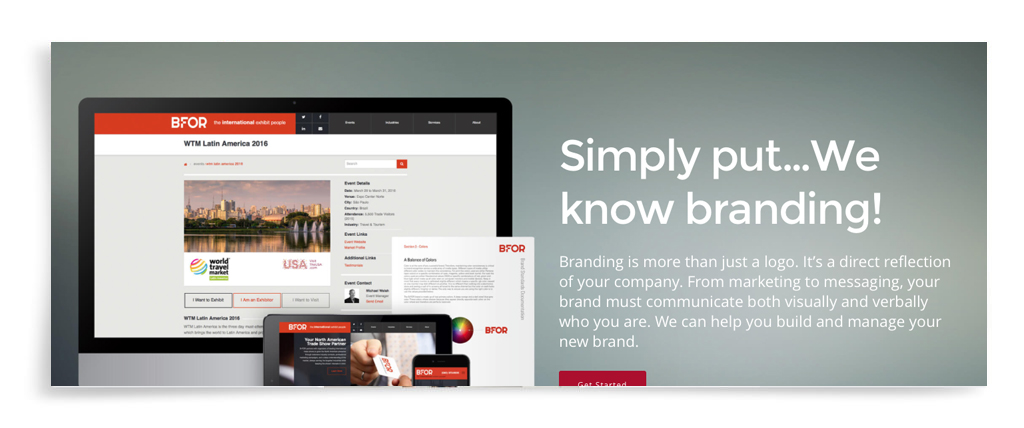
 Unfortunately, the company’s initial name was protected by common law trademark and could not be used. So we put on our identity hat and went to work. Our creative director closely collaborated with the client to develop a name that reflected the mission—and had an available URL. Not so easy these days. But we landed on a winner: Insuralease. Note the two main components, insurance and lease, are right in the name—which makes it easy to remember. We then developed a logo and color palette that promoted trust and looked as modern as this new insurance idea. Onto the website design.
 Lastly, we made sure that our web design works across all platforms by using responsive web technology. Though this best practice has been around for a couple of years, many don’t realize the importance of responsive web design. Responsive web design basically means that a website’s content will automatically adjust to the width of a browser. So when you view a responsive site on your phone, you’ll notice that the menu suddenly becomes a drop down and content is aligned vertically. This way you don’t have to shrink and enlarge content to get around the site. With an increasing majority of people surfing the web on tablets and phones, it is critical that companies have a responsive website. We made sure that Insuralease does.